
Changes In My Beekeeping Philosophy
I have found if you ask 10 different beekeepers the same question, you may very well get 10 different answers. I do not believe any two beekeepers share the exact same beekeeping philosophy or methods.
This is my fifth year keeping bees. Every year has brought different experiences and changes in my beekeeping philosophy. Because of my experiences, I believe beekeepers have to be flexible and able to change.
I have found myself being flexible in these areas in particular:
- Equipment
- Foundation or foundation-less frames
- Langstroth Hives or Top Bar Hives
- Location of the bee yards
- How often to inspect hives/taking a more hands off approach
- Feeding or not feeding
- To treat or not to treat
Equipment
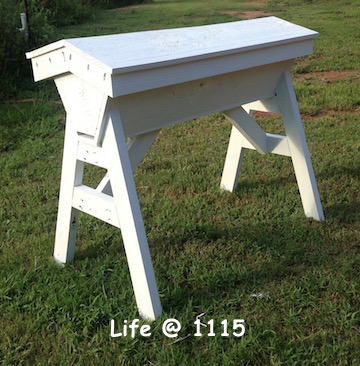
- I have always used Langstroth hives. I always start my package bees in 5 frame Nuc boxes then move them into 8 frame boxes. As time has gone on, the 8 frame boxes have become too heavy for me to handle. I have been considering other options: going to all 5 frame Nuc boxes or top bar hives. (I got my husband to build a couple of top bar hives, using THIS pattern from Grit Magazine; I believe they will be the easiest on my back!)
- When I started beekeeping, I put full sheets of foundation in each frame in each box of each hive. A couple of years ago, I had a varroa situation in a hive and decided to use an empty frame to allow the bees to build drone comb to naturally combat the mites. This led to me installing about a one to two strip of foundation in alternating frames in some of the boxes. (I believe the bees can make comb as fast or faster than drawing out the foundation when there is a flow going.) Sometimes this worked great, other times I had a tremendous mess in the hive!
Location of the bee yards
- We located our first hives in what I call “The Bottoms”. They are surrounded on three sides by higher ground and trees. They mostly get afternoon sun. The hives in this location have a problem with the Small Hive Beetle. I decided I should move my hives out of that spot up to “The Big Yard”. (I got scared during the moving sessions and ended up leaving four hives in The Bottoms.) This location is in full sun all day. It is burning hot during the summer when it comes time for inspections. The Big Yard hives do not have near the amount of hive beetles The Bottoms Hives suffer from.
Inspections
- Once I returned to the working world my unlimited free time with my bees got limited. I had to decide how often it was really necessary to go into the hives. I ended up taking a very hands off approach and only inspected each hive once a month. I found it harder to fix problems in the hive with this approach.
To feed or not to feed
- This is a controversial topic which I have written on before.
To treat or not to treat
- I have used powdered sugar or a fogger with food grade mineral oil to treat varroa mites. I have also installed frames with a small strip of foundation attached to allow the bees to make drone comb. (see reference) Now my thoughts are turning toward not treating at all.

Two options for treating varroa mites naturally: fogger with food grade mineral oil and powdered sugar.
Each year has changes to my beekeeping philosophy. As long as I keep bees there will always be the need to make adjustments. What worked last year may not work this year or next year. I may discover easier ways to do things or reasons not to do things I have done in the past. Flexibility will be the key.






1 Comment
I was wondering, with the fogger, what is the concept or idea with using the confection sugar to combat mites? I know that the over all idea is to get rid of the mites, but how does the sugar get rid of the mites? Same with the mineral oil. Or is it you use both at the same time?
Thia was a great article and you covered some very valid points/ideas.
Thanks!
R/
Kurt