
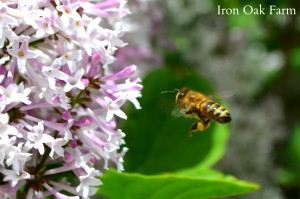
 Honey comes from bees right? Well, sort of. It could be said that honey actually comes from plants and that bees are the manufacturers that turn pollen and nectar into honey.
Behind every drop of honey is the work of many, many bees collecting nectar of a hundred or more flowers. Plants need bees, bees need plants. And we need them both. It’s a beautiful, delicate relationship.
The amazing thing about honey is that it has its own valuable properties like antibacterial, allergy relief, healing, natural sweetener etc. But it also takes on some of the beneficial properties from the plant that the nectar was collected. Whether it’s medicinal or flavorful, the relationship between honey, and the plant is one worth exploring.
Please ask your doctor before using honey as a treatment for any health issues, and don’t feed honey to infants or young children.
Local Raw Honey
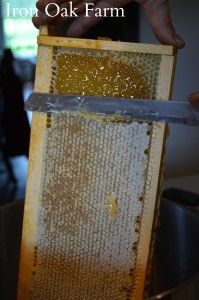 Local Honey isn’t really a “variety” of honey per se, but I wanted to include it in this list. The location of honey can be beneficial to people living in the same are where the honey is harvested, especially if they suffer from outdoor seasonal allergies.
Local honey may be able to assist in the body’s reaction to allergies. The concept is similar to that of allergy shots. By consuming local honey, the body is exposed to a small amount of the plant allergen in your area. Your body learns how to deal with this allergen without being overwhelmed. Then when you are exposed to the allergen it’s better prepared for an encounter.
Honey is also good for the immune system. It provides probiotics to the digestive system where much of your immune system resides.
It’s also great to buy local honey because it supports the bee keepers in your area, and you know you’re getting real honey, not watered down, honey flavored corn syrup.
What makes a honey Raw?
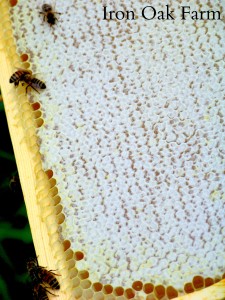 Raw honey has not been pasteurized through a heating process. When pasteurizing honey, some of the vitamins, good bacteria and other health benefits and flavors are destroyed.
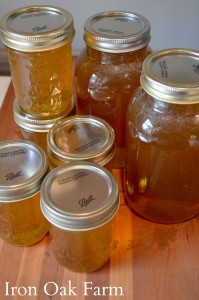 What is a Mono Floral Honey?
The term mono floral means that the honey must contain a certain percentage of pollen from the specified plant to be considered that honey type. For example, “lavender honey in the EU only 15-20% pollen count is required (mainly due to the low pollen count of the Lavandin varietal).” http://www.honeytraveler.com/single-flower-honey/lavender-honey/
Each variety of honey has a different required percentage of pollen count.
Some Honeys to Try:
Manuka Honey
I learned about Manuka honey from Cloudy Apples, a holistic health and beauty You Tube Channel that I watch. It’s my “girlie” guilty pleasure. Kassie (the host) uses Manuka honey for the treatment of acne and other skin irritants. I was intrigued and decided to do some research for myself.
Manuka honey comes from the Tea Tree grown in New Zealand. I’m sure many of you are familiar with the healing and antibacterial properties of Tea Tree oil. Manuka Honey may have the highest antibacterial properties of any other honey. It’s even been successfully used on patients with MRSA. Manuka Honey Information
Buckwheat Honey
Dark in color, rich in flavor and maybe a bit bitter. Many say it tastes malty, spicy or like molasses. It’s also high in iron. Darker honeys tend to have a lower glycemic index than lighter honeys. Darker honeys also tend to have a higher concentration of anti-oxidants.
Clover Honey
Mild delicate flavor, It’s one of the most common table honeys and perhaps one of the sweetest with a glycemic index at 69.
Lavender Honey
Lavender honey is considered a “top notch” honey. It has a floral/herb-y flavor and is marvelous on biscuits, scones, soft cheeses and blue cheeses.
http://realfoodforlife.com/health-benefits-of-honey/
Community Challenge! I think it would really fun to have a honey taste testing party. Gather a bunch of friends, a selection of different honeys and try them out, compare flavors, textures, colors etc. Many honeys have cheese and wine suggestions that pair well too! I might host something like this in the near future and will write about it here.
If you’ve tasted an interesting honey, tell us about it by leaving a comment below or visiting the Keeping Backyard Bees Facebook Page.






5 Comments
Our 2009 harvest had the distinct flavor of the smell of attar of roses! We think it’s because our lone colony was visiting all the wild roses in the field behind our home. Unfortunately, the next year they went for the more abundant honeysuckle and, although the flavor was rich and delightful, it was no match for the “rose” honey.
Recently had some Raspberry honey. What a surprise flavor with a little tanginess.
I will start my bee keeping as soon as viable in Ventura County, CA. I will have the hives among 500 avocado trees, what can I expect in terms of honey taste? thank you for any tips to get the best pollen for my future ladies, and the best tasting honey for my family!
We use Medihoney at the hospital to treat chronic dry wounds. It keeps them hydrated without allowing bacterial growth. It’s made from manuka honey.
Honey has been used for its medicinal properties for a millennia. All that is said about Manuka honey is anecdotal at best, as we have seen no facts to back up the producers claims of its power over and above any other regular type honey. AND then they try and sell it at Costco for an overly exorbitant price as if its medicinal properties have been proven. Humans will buy into any BS that seems even half way true, but when they want us to spend that kind of money for a small amount, they had better prove those claims. We cannot and should not claim it as a neutricutical unless the facts can substantiate it.