

Bee on Wildflower
When the bees start flying I can’t wait to get out there and dig in the hives and the dirt. There’s a huge variety of herbs that are not just great for cooking and medicinal purposes, they’re great for the bees. Planting herbs that attract honey bees is something that anyone can do.
You may not have a large plot of land for an herb garden but most people can tuck a few herbs in somewhere, even if they only have a postage stamp yard, balcony, hanging basket or doorstep. Container gardening can be just as rewarding and help your local bees.
If you are purchasing already grown herb plants instead of starting them from seed, please remember to purchase from an organic supplier. We get ours from our local CSA which is good for the bees and our local economy. Many big box stores sell plants that have been cultivated with the use of insecticides which are toxic for bees. So while you are trying to do something nice for the bees you may actually be doing harm.
Here is a short list of herbs which the bees love and so will you!

Bee on Borage Flower
Borage – This powerhouse herb produces a lot of nectar, it’s easy to plant from seed, blooms well into the fall, will self-seed once you get it going and it’s readily available. Historically, it’s been planted to increase honey production. It’s great as a companion plant alongside tomatoes and cabbages because it helps to ward away harmful insects and worms. It’s also believed to improve the health of the plants that grow around it. The flowers and leaves are not only beautiful but they’re a welcome addition to any salad.

Honey Bee on Chive Flower
Chives – These wonderful plants flower early in almost all regions, conditions and climates so when the weather is warm enough for your bees to fly, the chives are already producing nectar for them. They are also perennials so they will produce for many years to come. If you haven’t had chive infused butter, you have been missing out!
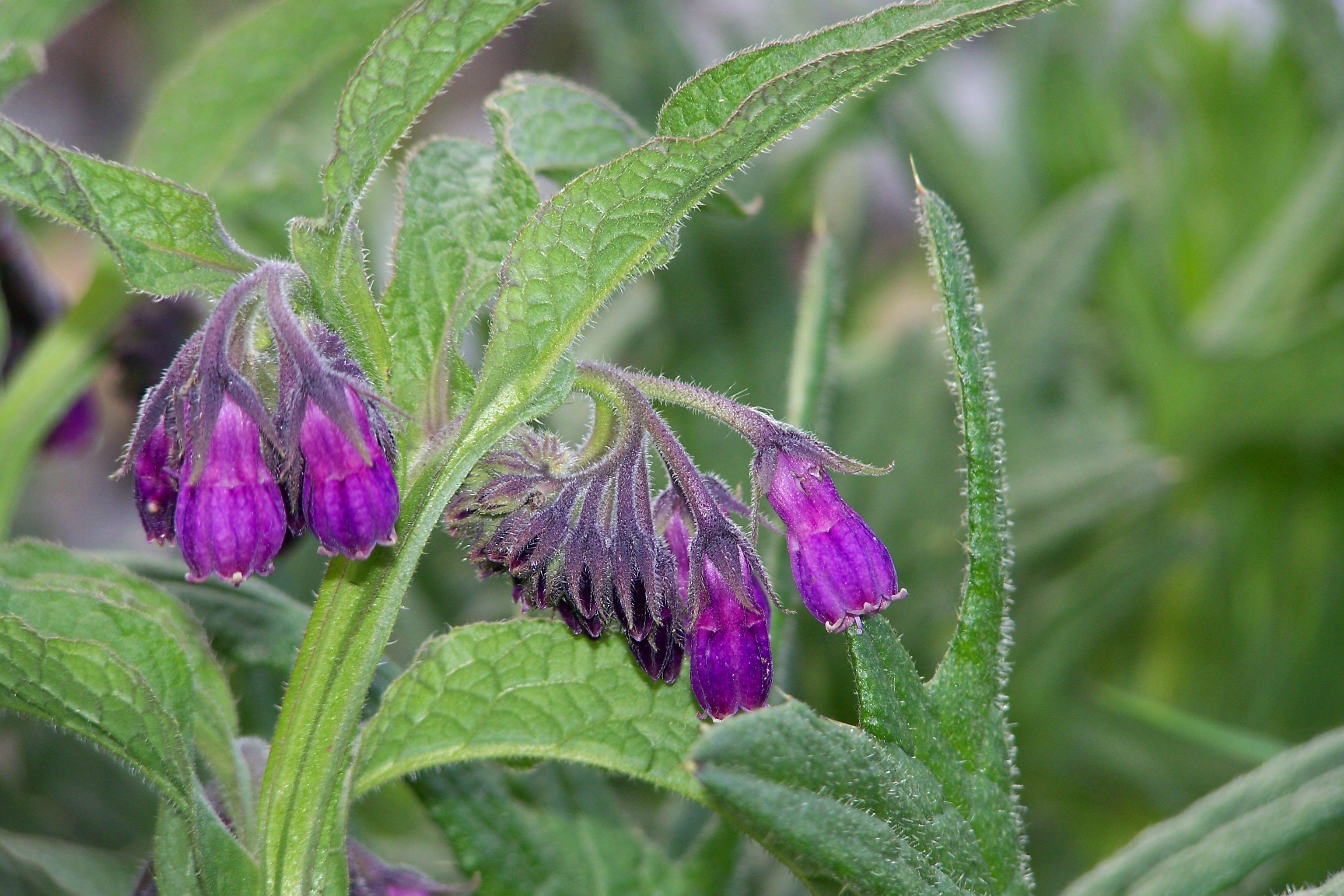
Comfrey
Comfrey – an amazing herb which will enrich your soil from deep below the surface. It leaches high levels of potassium and nitrogen into your soil. Both of these elements are key nutrients and will ensure you have a healthy garden. Its leaves are high in allantoin, a substance that causes cells to multiply, making it a great addition to your herbal medicine cabinet to treat burns, wounds, bug bites and even bee stings! It’s great topically (like our St. John’s Wort & Hemp Salve) but is toxic to humans when consumed so don’t eat it! But best of all, the bees LOVE it!

Melissa
Lemon Balm (Melissa) – Lemon Balm is known by many names, Melissa, the genus name means “honeybee” and it is definitely a favorite of the bees. It’s also a wonderful herb to have on hand. The leaves are antibacterial, anti-inflammatory, antioxidant, antiviral, sedative and aromatic. It’s used to treat many conditions. Internally it’s good for insomnia, migraine, hyperactivity, Flu, and anxiety. When used topically (like our RESCUE Salve) it can help with cold sores and shingles. In short, it’s pretty much good for all that ails you and it tastes beautiful!
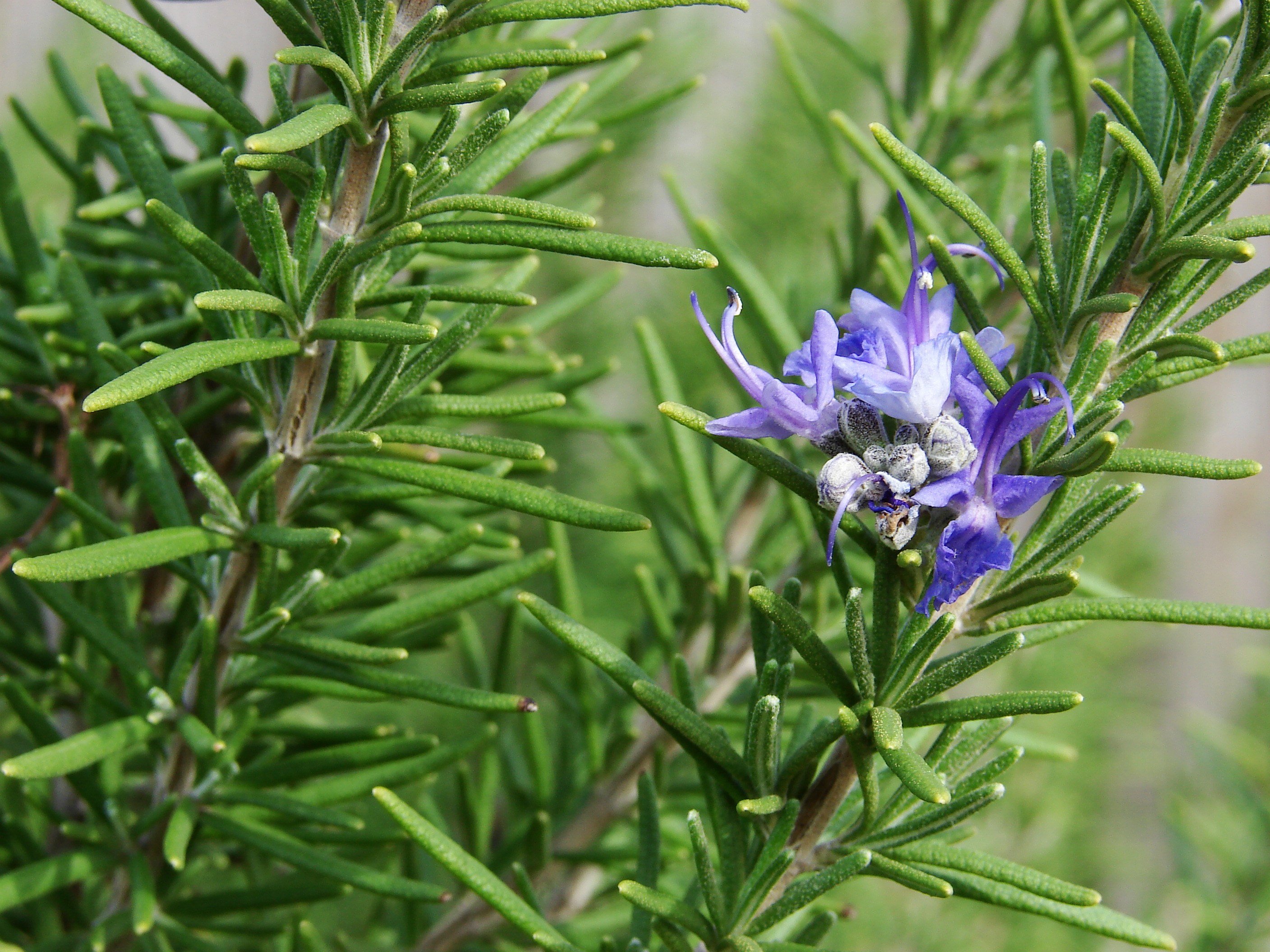
Rosemary
Rosemary – a perennial which likes sun and well-drained soil, this plant will be a wonderful addition to every garden. It also lends itself to being grown in a pot as a bonsai (and how cute is that?) It’s a culinary herb which attracts bees from far and wide. You can also use rosemary infused in apple cider vinegar as a rinse for your hair to help with dandruff and itchy scalp. For herbal recipes you can check out our blog on Ann Bee’s Naturals, The Natural Buzz.

Dandelion
And of course, don’t forget to let your dandelions, plantain, and clover grow, they are some of the first sources of nectar for the bees. While you’re at it, remember that many plants which are considered weeds are beneficial to honeybees. So let the multiflora rose, wild asters and goldenrod bloom before you hack them down. The bees will thank you.





21 Comments
So glad you mentioned the problems about buying plants from big box stores. What about the corn flower at the beginning of your article? I guess its not an herb, but bees love it, its easy to grow, and you can add the flowers to salads.
Thank you, Chris. I know the cornflower isn’t an herb but I just loved how that picture captured her coming in for a landing. It’s from the large patch of wildflowers and herbs we have planted on the north side of our property especially for the bees. And the blossoms are yummy for both the bees and us.
I didn’t know comfrey was toxic to humans. Are you sure?
Comfrey contains pyrrolizidine alkaloids which can cause liver damage. There is also some greater risk of cancer to those who have been exposed to pyrrolizidine alkaloids.I’m sure that there are drugs on the market which cause more damage than comfrey, however, I prefer to be cautious with what goes into and onto the body. Here is a link to PubMed if you would like more information.
Great article! It’s so important to grow plants that support our pollinators. However, multi-flora rose is highly invasive and does a lot of damage to ecosystems. Please do not promote this plant! Allowing it to fruit will only encourage further spreading.
Thanks!
Many thanks for shere knowlegde …
Thank you so much, have planted some rosemary today, and will had these to the list. Appreciate the info.
My bees love when the sweet basil blooms. They absolutely cover the flowers.
[…] Read the full article here […]
[…] By Ann Barczewski via keepingbackyardbees.com […]
Native pollinators do more crop pollination than we realize and they need more help than honey bees. Please, let us play attention to them too, not just the managed non-native honey bee.
Wild bees and pollination
https://www.fibl.org/fileadmin/documents/shop/1645-wild-bees.pdf
I’m anxious to get started keeping bees and this website looks like a great place to start!
[…] List of great herbs you can plant that will help feed the bees. Link […]
[…] Fun fact: There’s a huge variety of herbs that are not just great for cooking and medicinal purposes, they’re great for the bees! Planting herbs that attract bees is something that anyone can do. When the weather is warm enough for bees to fly, the chives are already producing nectar for them. They are also perennials so they will produce for many years to come. So bees are really that attracted to chives. Just like our love for Mr. Chives https://www.keepingbackyardbees.com/planting-herbs-attract-honey-bees/ […]
[…] “And of course, don’t forget to let your dandelions, plantain, and clover grow, they are some of the first sources of nectar for the bees. While you’re at it, remember that many plants which are considered weeds are beneficial to honeybees. So let the multiflora rose, wild asters and goldenrod bloom before you hack them down. The bees will thank you”- Keeping Backyard Bees […]
[…] produced some general advice HERE. Advice on growing herbs specifically for honey bees can be found HERE. Why not have a […]
I sit here in utter amazement that people think that Comfrey is toxic to humans. I have eaten it soooo many times, as a child and as an adult, and have found no ill affects. My mother used to eat it by the handfuls in her smoothies. She’s alive and well and well into her seventies.
You might buy your bees closer to home….like within driving distance. That way you can go pick them up and even make eye contact with the seller. Bees traveling that far(over many states) are stressed and therefor not off to a good start. If you don’t find a beekeeper in your phone directory, I would suggest you call your local beekeeping association to find someone in your local area.
I have found that garlic chives, which flower white late in the season is actually a great plant for honey bees and bumble bees. They go gaga over these white flowers. The best part is that these perennial flowers are frost resistant, which is great for after the first frost of the season, when many blooms die. Indian Summer is when they flower, which means that you can harvest the “greens” until fall. They are just as delicious as their spring cousins, the pink chive we all know, but their stalk is a little flatter. They form large clumps, so you could keep one for you and give the rest to all the hungry pollinators out there. Win-Win 😉
[…] for “Planting Herbs That Attract Honey Bees,” Ann Barczewski emphasizes,“You may not have a large plot of land for an herb garden but most […]
I doubt that you are digging in the “HIVE”. That could be hazardous
If comfrey plant is toxic to
Humans wouldn’t the toxins be transferred into the honey in small
Amounts?